Alternating between heat (such as a sauna or hot tub) and cold (like an ice bath or cold plunge) – a.k.a. contrast therapy – is quickly becoming a popular recovery and wellness practice. Once used mostly by athletes and physical therapists, the method is now showing up in gyms, wellness centers, and even backyards across the country.
The idea is simple: expose your body to heat, then cold, and repeat the cycle several times. Advocates say the process supports circulation, recovery, and mental clarity. While the trend has exploded on social media and in wellness circles, there is also a growing body of research helping explain why the practice may work.
Here’s what contrast therapy is, why people are embracing it, and how to try it safely.
What Is Contrast Therapy?
Contrast therapy involves switching between hot and cold environments. The most common example is moving from a sauna into a cold plunge pool.
Heat causes blood vessels to dilate, allowing blood to flow more freely through muscles and tissues. Cold exposure causes vessels to constrict. Alternating between the two creates a pumping effect that may help circulate blood, deliver nutrients to tissues, and move metabolic waste products away from working muscles.
This vascular response is one reason many people use contrast therapy after hard workouts or physically demanding days.
Why Contrast Therapy Is Trending
Contrast therapy aligns with a broader shift in wellness culture. Instead of extreme training or complicated biohacking routines, many people are looking for recovery practices that support long-term health.
Several factors are driving the surge in interest:
- More attention on recovery and longevity
- Growing availability of saunas, cold plunges, and home setups
- Social media exposure from athletes and wellness influencers
- Research exploring how heat and cold affect circulation, inflammation, and stress
For many people, the appeal is that the practice is simple and low-tech compared with many modern wellness tools.
Potential Benefits of Contrast Therapy
While research on combined heat and cold exposure is still evolving, studies on sauna use and cold immersion offer helpful insights. Here are four compelling, science-backed reasons to try the trend:
1. Faster Workout Recovery
Cold water immersion has long been used to reduce muscle soreness after intense exercise. A 2012 meta-analysis published in the Journal of Strength and Conditioning Research found that cold-water immersion after exercise can reduce delayed onset muscle soreness (DOMS) compared with passive recovery. By pairing cold exposure with heat, contrast therapy may further support circulation and muscle relaxation.
2. Improved Circulation
Alternating heat and cold may help stimulate blood flow. A 2014 study published in the Journal of Physiology reported that repeated hot-water immersion improved vascular function and blood vessel health in sedentary adults. Better circulation supports nutrient delivery to tissues and may play a role in recovery and overall cardiovascular health.
3. Reduced Stress and Better Mood
Both sauna bathing and cold exposure can influence the nervous system. A 2018 review published in Evidence-Based Complementary and Alternative Medicine reported that sauna use may support relaxation and reduce stress through effects on the autonomic nervous system. Cold exposure may also stimulate the release of norepinephrine, a neurotransmitter involved in alertness and focus.
4. Support for Long-Term Health
Long-term sauna research has drawn interest from scientists studying aging and heart health. A 2015 study published in JAMA Internal Medicine followed more than 2,000 Finnish men and found that frequent sauna use was associated with a lower risk of fatal cardiovascular events over time. While sauna use alone was studied in this research, many wellness experts believe combining heat with cold exposure may further stimulate circulation and recovery.
A Simple Protocol To Get Started
If you are curious about contrast therapy, start with a simple protocol. Most routines alternate between a traditional sauna and a cold plunge to create a cycle of heat and cold exposure.
Step 1: Spend 15–20 minutes in a sauna or hot environment, ideally between 160–195°F, which is typical for traditional sauna sessions.
Step 2: Move directly into a cold plunge or cold shower for 2–3 minutes, with water temperatures around 50–60°F if possible.
Step 3: Repeat the heat and cold cycle for 2–4 rounds, or as many as feels comfortable.
Step 4: Finish your session with a cold exposure. Many contrast therapy routines end with cold to help calm inflammation.
If you are new to contrast therapy, start with shorter exposure times and milder temperatures until your body adjusts.
Supplements That Support Contrast Therapy
Contrast sessions can be physically demanding, especially because heat exposure leads to sweating and fluid loss. Pairing the practice with smart nutrition can help support recovery.
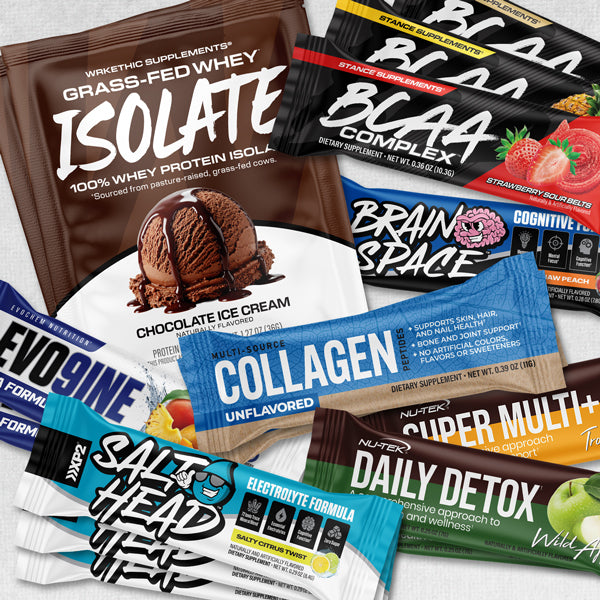
- Electrolyte blends, such as Salthead, replenish sodium, potassium, and minerals lost through sweating to prevent cramps or fatigue.
-
Magnesium supports muscle relaxation and nervous system balance. Many people find magnesium glycinate helpful after contrast therapy sessions.
-
Omega-3 fatty acids from fish oil or algae may support recovery after training and help regulate inflammatory responses in the body.
-
Protein blends, such as whey isolate or recovery formulas, supply amino acids post-session to support muscle repair and strength preservation.
Safety Tips Before You Try It
Contrast therapy is generally safe for healthy individuals, but a few precautions are worth keeping in mind.
- Stay well hydrated before and after sessions
- Start with shorter exposure times if you are new
- Avoid alcohol before heat exposure
- Stop immediately if you feel dizzy or lightheaded
- Speak with a healthcare professional if you have cardiovascular conditions or blood pressure concerns
Listening to your body is always the best approach when introducing any new recovery practice.
The Bottom Line
Contrast therapy is gaining traction because it blends simple physiology with practical recovery benefits. Alternating between heat and cold may support circulation, muscle recovery, and mental clarity while giving the body a chance to reset after physical or mental stress.
Whether you try it at a gym, spa, or home setup, pairing the practice with proper hydration, nutrition, and recovery habits can help you get the most out of the experience.